Gallery & News

MYPISE2025 – A Gateway to Educational Excellence

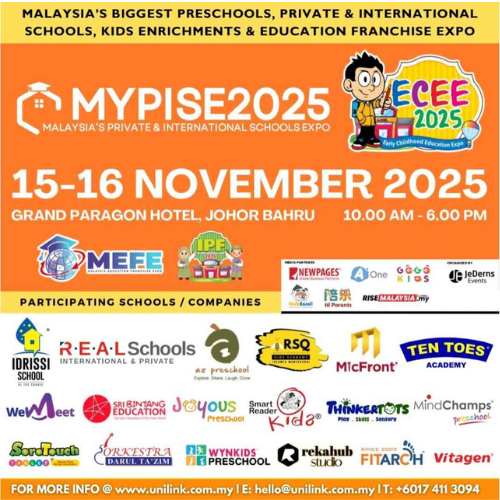
18 October 2025 – Unilink Consultant, as the official supporting partner of MYPISE2025, proudly invites educators and school representatives to participate in one of Malaysia’s largest preschool, private, and international school education expos.

The event offers valuable opportunities, including management talks, educational and cultural exchange sessions, engagement with top school administrators, insights into school modules and subjects, franchise opportunities, and meaningful knowledge sharing.

Event Details:
📅 Date: 15 – 16 November 2025
🕙 Time: 10:00 AM – 6:00 PM
📍 Venue: Grand Paragon Hotel, Johor Bahru, Malaysia

Successful Educational Visit to MAHSA International School (MISKL)

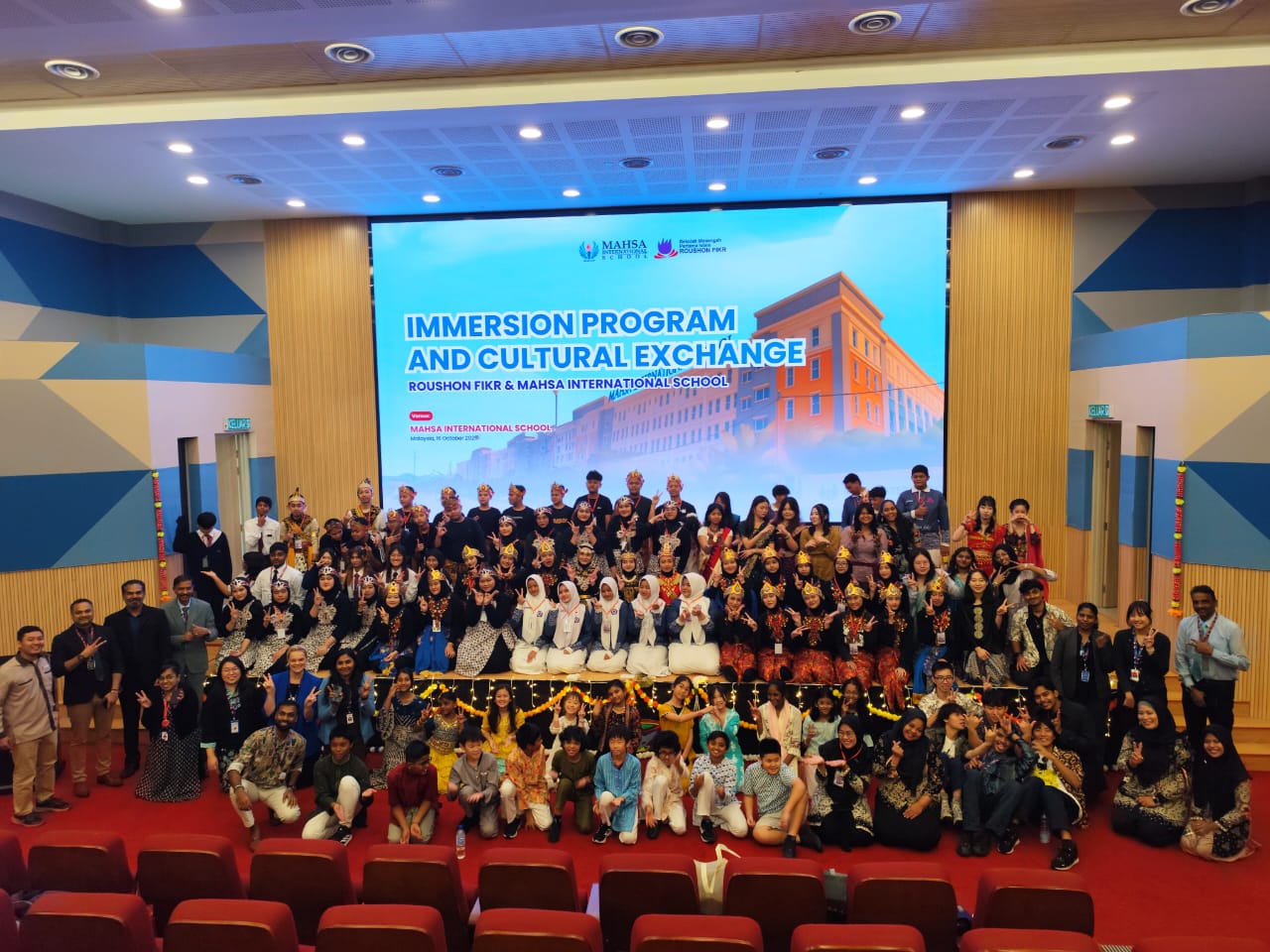
16 October 2025 – Unilink Consultant successfully organized a school visit for SMPI Roushan Fikr, led by Mr. Ahmad, to MAHSA International School (MISKL) on 16th October 2025. The program aimed to provide students with international education exposure and insights into global learning environments.

A total of 54 students and 4 lecturers participated in the half-day visit, which included a campus tour, interactive sessions, and a sharing session with MISKL representatives. The students showed great enthusiasm and actively engaged throughout the activities.

The visit concluded smoothly with positive feedback from both the school and students, highlighting the event’s success in promoting cultural and educational exchange. Unilink Consultance appreciates the collaboration with both institutions and looks forward to more partnerships that inspire and connect future learners.

Why Today’s Students Must Continue Their Education for a Brighter Future

15 October 2025 – Many students in Malaysia stop studying after secondary school due to financial struggles, lack of motivation, or family commitments. However, continuing education through university, college, or vocational training, is crucial for a stable career, higher income, and better life opportunities.

Education beyond secondary level also strengthens Malaysia’s economy by developing skilled and knowledgeable workers.

Currently, Malaysia’s secondary school dropout rate is 0.64%, and around 3.4% of students do not pursue higher education. To improve this, more scholarships, guidance, and practical learning opportunities are needed. For that Unilink is dedicated to bring those opportunities to all students to have a better future.

Education beyond secondary school is essential for personal success and for shaping Malaysia’s future as a skilled, progressive nation.

Engineering Courses and Future Demand (2026–2035)

17 October 2025 – From 2026 to 2035, the demand for engineers will grow rapidly as industries adopt AI, automation, and sustainable technologies. In Malaysia, projects involving smart cities, renewable energy, and digital infrastructure will create high demand for civil, mechanical, electrical, and software engineers.

Artificial Intelligence (AI) will transform engineering by improving design accuracy, automating processes, and predicting maintenance needs. Engineers who understand AI systems and digital tools will be highly valued in the job market.

Under initiatives like NIMP 2030 and Industry 4.0, Malaysia’s engineering sector will continue expanding.
In short, future engineers who combine technical expertise with AI and innovation skills will lead the way in building a smarter and more sustainable world.

MBBS: The Growing Demand for Future Medical Professionals

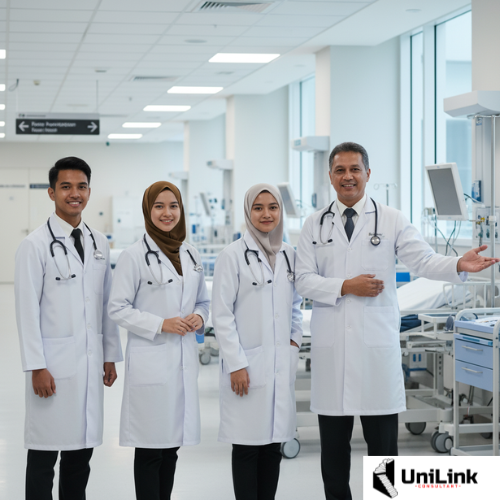
9 October 2025 – The MBBS course will remain highly demanded from 2026 to 2035 as healthcare expands globally. In Malaysia, government initiatives and hospital growth will boost the need for doctors in both public and private sectors.

With the rise of Artificial Intelligence (AI) in medicine such as AI-assisted diagnosis, robotic surgery, and telemedicine. All future doctors must combine medical expertise with digital skills.

Overall, MBBS offers a stable, technology-driven, and impactful career, preparing graduates to lead in the evolving world of healthcare and AI innovation.

Biomedical Science – The Future of Health and Innovation

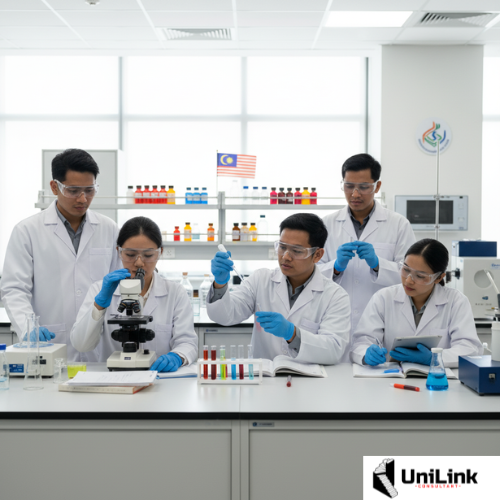
02 October 2025 – Biomedical Science is becoming one of the most in-demand fields as healthcare and technology evolve. The course equips students with knowledge in biology, chemistry, and medicine to understand diseases, develop treatments, and improve diagnostics.

Between 2026 and 2030, Malaysia will see strong growth in healthcare, biotechnology, and medical research, creating more job opportunities in hospitals, labs, and pharmaceutical companies.

Graduates can work as medical laboratory scientists, clinical researchers, or biotech specialists, contributing to breakthroughs in disease detection and healthcare innovation.

In summary, Biomedical Science offers a promising career path that combines science and innovation to shape the future of medicine and human health.

Business and Development Course – Future Demand and Opportunities

23 September 2025 – From 2026 to 2030, the demand for business and development graduates will continue to rise as industries embrace digital transformation, innovation, and sustainability. In Malaysia, government initiatives like NIMP 2030 and the MADANI Economy Framework are creating strong career opportunities in management, entrepreneurship, finance, and marketing.

This course equips students with leadership, problem-solving, and strategic thinking skills is essential for success in both corporate and startup environments.

In short, studying Business and Development prepares students to lead change, create economic growth, and shape a more innovative and sustainable future.

Demand for Nursing Courses in Malaysia (2027 Outlook)

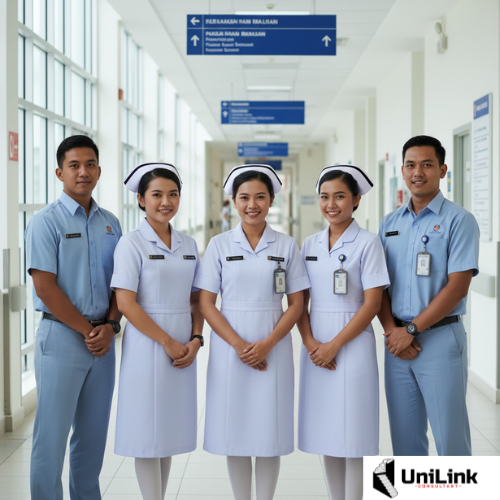
02 September 2025 – By 2027, Malaysia’s demand for nursing courses is expected to rise sharply due to a national shortage of nurses. The Health Ministry projects a 60% shortage by 2030 and needs over 43,000 additional nurses to serve new hospitals and healthcare facilities.

To address this, the government has eased entry requirements for nursing diplomas and increased training intake across public institutions. These changes will attract more students, especially with growing opportunities in both public and private sectors.

However, challenges remain — maintaining training quality, improving pay and working conditions, and retaining nurses who often leave for better opportunities abroad.

In summary, the nursing field will remain one of Malaysia’s most in-demand and stable career paths through 2027, offering strong job security and career growth for future students.

Digital Technology for Future Industry (2026–2030)

28 August 2025- From 2026 to 2030, global industries will evolve rapidly through AI, automation, 5G/6G connectivity, and sustainable innovation. The transition to Industry 5.0 will emphasize human-centered and eco-friendly approaches.

Key trends include generative AI, hyper-automation, green technology, and cybersecurity. While these create efficiency and new business models, challenges such as talent shortages, regulatory pressures, and infrastructure costs remain.

In Malaysia, initiatives like NIMP 2030 and expanding 5G networks will drive digital transformation. Companies that invest early in technology, sustainability, and ethical innovation will lead the future economy.

Digital Media: Shaping the Future Industry (2026–2030)

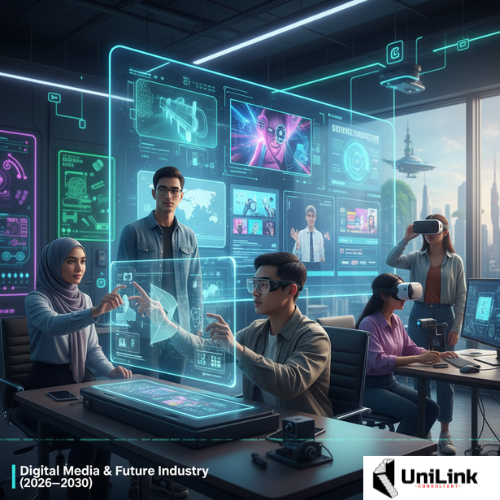
08 August 2025 – Between 2026 and 2030, digital media will transform how people create, communicate, and connect. Technologies like AI, VR, and AR will drive immersive storytelling, personalized marketing, and data-based decision-making.

AI will make content creation faster and more efficient, while interactive platforms will let audiences engage and shop directly through media. Authenticity and trust will become essential, supported by tools like blockchain and ethical media standards.

For students and professionals, new career opportunities will emerge in content creation, digital marketing, and creative technology.